

Research use only. This compound is supplied for in-vitro laboratory research by qualified researchers. It is not for human or veterinary consumption and has not been evaluated by the FDA.
Metabolic Research
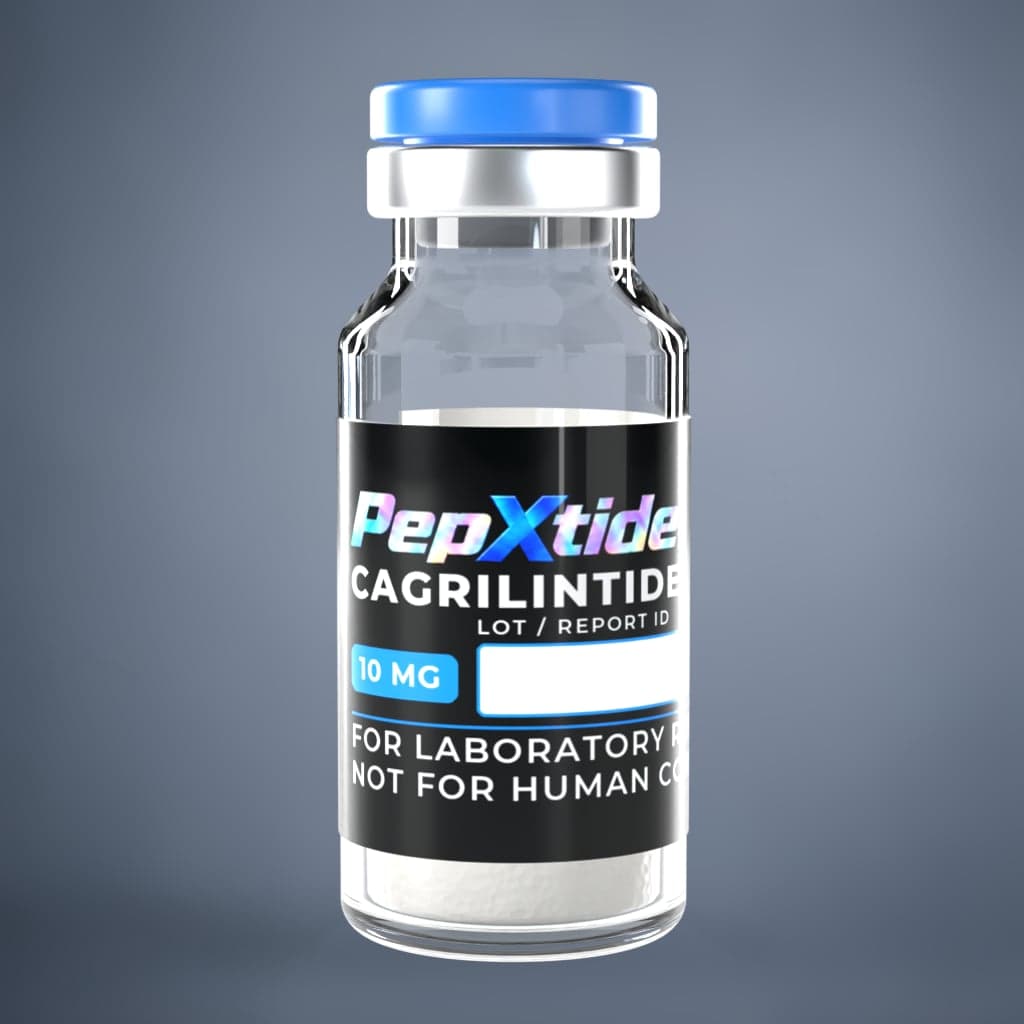
Cagrilintide
Certificate published · 10mg
10mg$114.99each
$11.50/mg
Laboratory report for the 10mg vial · Laboratory ID V260205-13-002
Vanguard Laboratory · Reported Feb 23, 2026
- Lot Number
- CG26C010
- Method
- HPLC-UV/VIS
- Laboratory
- Vanguard Laboratory
- Chromatographic Purity result
- >99.80% ± 0.18%
Ordering at volume or on a schedule?
Request a supply quote →Buy more of this strength and the price comes down. The store applies it at checkout - there is nothing to enter.
Free US shipping - no minimum
Tell us the Report ID or Laboratory ID shown on the certificate, and what you observed. If independent testing shows a discrepancy against our published certificate, we refund the lot in full and pull it from sale pending investigation.
Tell us the Report ID or Laboratory ID shown on the certificate, and what you observed. If independent testing shows a discrepancy against our published certificate, we refund the lot in full and pull it from sale pending investigation.
Certificate published
Discreet packaging
Dispatched within one business day
Free US shipping, no minimum
In stock, ships from our US fulfilment partner
Compound information
- Type
- Metabolic Research
- Form
- Lyophilized powder
- Vial strength
- 10mg
- Catalogue number
- PX-CAGRI-10MG
- Purity
- See the laboratory report V260205-13-002
Identifiers are published properties of the molecule. Values we cannot confirm are omitted rather than estimated.
A long-acting analogue of the pancreatic peptide hormone amylin carrying a fatty diacid lipidation on the chain. Lipidated analogues sit outside the PepXtide structural library, which models plain peptide chains.
The parent hormone, amylin, is a 37-residue peptide with a C-terminal tyrosine amide and a disulfide between cysteines two and seven, and it is strongly amyloidogenic. This analogue is also 37 residues, retains that native disulfide, and ends in a proline amide rather than a tyrosine amide. It is not a lactam-bridged peptide, and the frequently repeated description of it as a 32-residue compound is wrong.
Six substitutions separate it from human amylin, and the reasons are documented in the originating work published by Novo Nordisk in 2021. A glutamate at position 14 and an arginine at position 17 form an intramolecular salt bridge that stabilises the N-terminal helix, specifically to counteract the fibril formation the native hormone undergoes. Three prolines, at positions 25, 28 and 29, reduce the tendency to fibrillise further, and the proline that replaces the C-terminal tyrosine at position 37 was selected for solubility and physical stability. The crystal structure of the backbone has been deposited in the Protein Data Bank.
The lipidation is unusual and worth stating precisely, because it differs from the pattern used by the incretin analogues in this catalogue. A C20 eicosanedioic diacid is attached through a single gamma-glutamate spacer to the alpha-amino nitrogen of the N-terminal lysine. There is no oligoethylene-glycol spacer, and the lysine's side-chain epsilon-amine remains free. The diacid is the albumin-binding element that gives the analogue its duration.
The molecular targets are the calcitonin receptor on its own and the same receptor in complex with receptor activity-modifying proteins RAMP1, RAMP2 and RAMP3, which constitute the three amylin receptor subtypes. The compound is described as a non-selective agonist across the amylin receptors and the calcitonin receptor, in contrast to the earlier analogue pramlintide, which is amylin-receptor selective. Reported potencies at the calcitonin receptor and at amylin receptor 3 are in the sub-nanomolar range, though published datasets differ on whether particular figures describe the human or the rat receptors, so a single quoted number should always name its assay system and species.
Bench systems for this class are receptor-expression rather than tissue systems: reporter assays in BHK cells stably expressing the human calcitonin receptor with or without RAMP3, G-protein recruitment measured by bioluminescence resonance energy transfer in COS-7 cells, and radioligand displacement using iodinated amylin or calcitonin. Fibril formation is assessed by thioflavin T fluorescence and solubility across pH by UPLC. Several cryo-electron microscopy structures of the compound bound to amylin receptor complexes have been published.
One specification note. The published molecular weight near 4409 is the full modified mass including the lipid; no backbone-only figure is published for this compound, and a lower number quoted without qualification is likely to be an unlipidated calculation rather than the substance itself.
Background
Cagrilintide is a long-acting, lipidated analogue of the 37-residue pancreatic hormone amylin, described by Novo Nordisk in 2021. It keeps amylin's length and native disulfide between cysteines two and seven, ends in a proline amide, and carries six substitutions chosen to resist the fibril formation the native hormone undergoes. A C20 eicosanedioic diacid, attached through a single gamma-glutamate spacer to the alpha-amine of the N-terminal lysine, provides albumin binding. It acts as a non-selective agonist at the calcitonin receptor and the three RAMP-defined amylin receptor subtypes.
Specifications
- Supplied as
- Lyophilized powder
- Available strengths
- 10mg
- Storage
- Store lyophilized at -20C, protected from light and moisture.
- Intended use
- In-vitro laboratory research only
Storage & handling
Lyophilized
Store lyophilized at -20C, protected from light and moisture. The parent hormone class is amyloidogenic and this analogue's substitutions exist specifically to resist fibril formation, so solutions should not be held warm, agitated or concentrated for longer than necessary; the retained disulfide also means reducing agents must be avoided.
Reconstituted
Once reconstituted, refrigerate at 2-8C and use within the period appropriate to the material.
Handling notes
- Store lyophilized at -20C, protected from light and moisture.
- The parent hormone class is amyloidogenic, so solutions should not be held warm, agitated or concentrated for longer than necessary.
- The retained disulfide means reducing agents must be avoided.
- Once reconstituted, refrigerate at 2-8C and use within the period appropriate to the material.
- The published molecular weight near 4409 includes the lipid; a lower unqualified figure is likely an unlipidated calculation.
Safety & handling
Bench handling, not a dosing guide.
Intended use
Supplied strictly as a laboratory research material for in-vitro study by qualified researchers. Not for human or veterinary use, not for ingestion or injection, and not for any clinical or diagnostic application.
Personal protective equipment
Handle with gloves, eye protection and a laboratory coat. Weigh and transfer lyophilized powder in a ventilated enclosure to avoid generating an inhalable dust.
Reconstitution
Reconstitute against the diluent and volume appropriate to your protocol, adding solvent slowly down the vial wall rather than directly onto the pellet. Do not shake. This is a handling note, not a dosing guide.
Storage after opening
Once reconstituted, refrigerate and use within the period appropriate to the material. Avoid repeated freeze-thaw cycles, which degrade peptides faster than continuous storage at the listed temperature.
Disposal
Dispose of material and containers in accordance with your institution's chemical waste procedures and applicable local regulations.
Related compounds
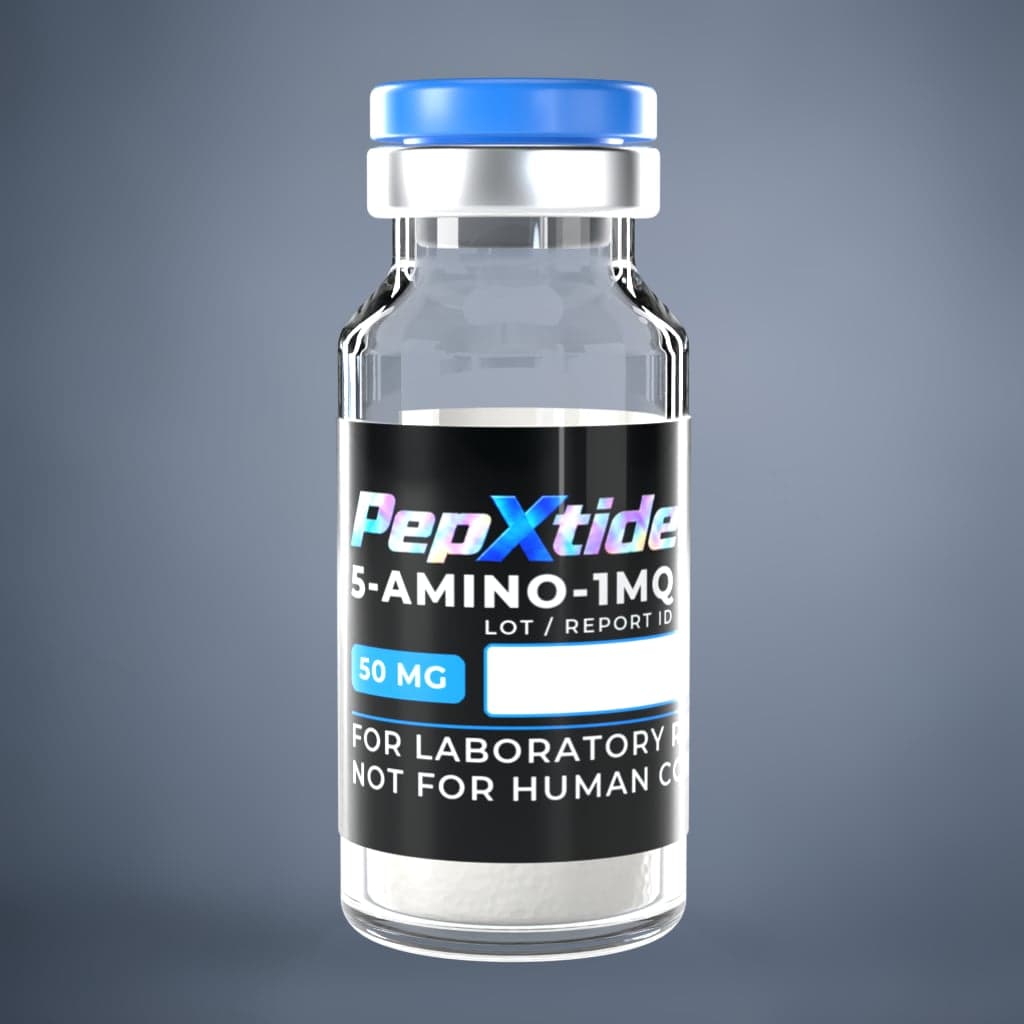
Metabolic Research
5-Amino-1MQ
Lyophilized powder
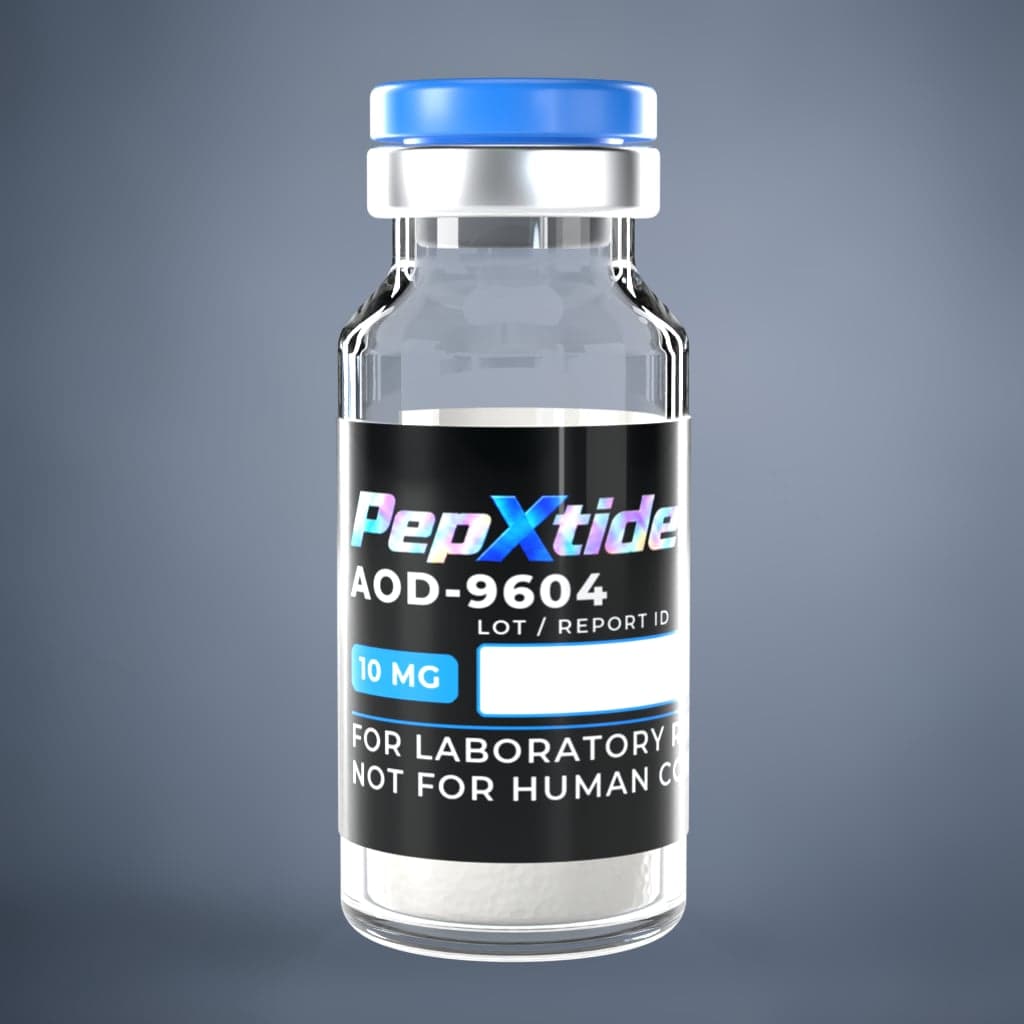
Metabolic Research
AOD-9604
Lyophilized powder
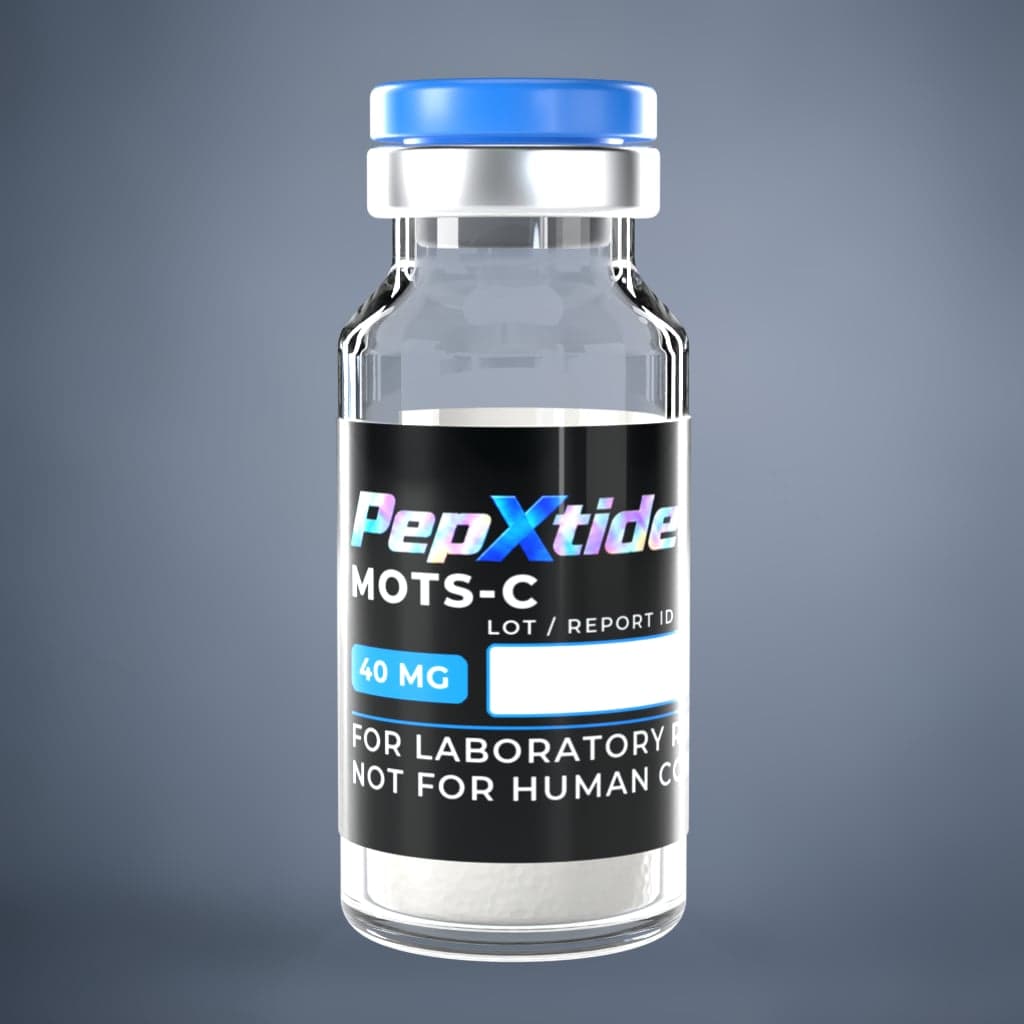
Metabolic Research
MOTS-c
Lyophilized powder
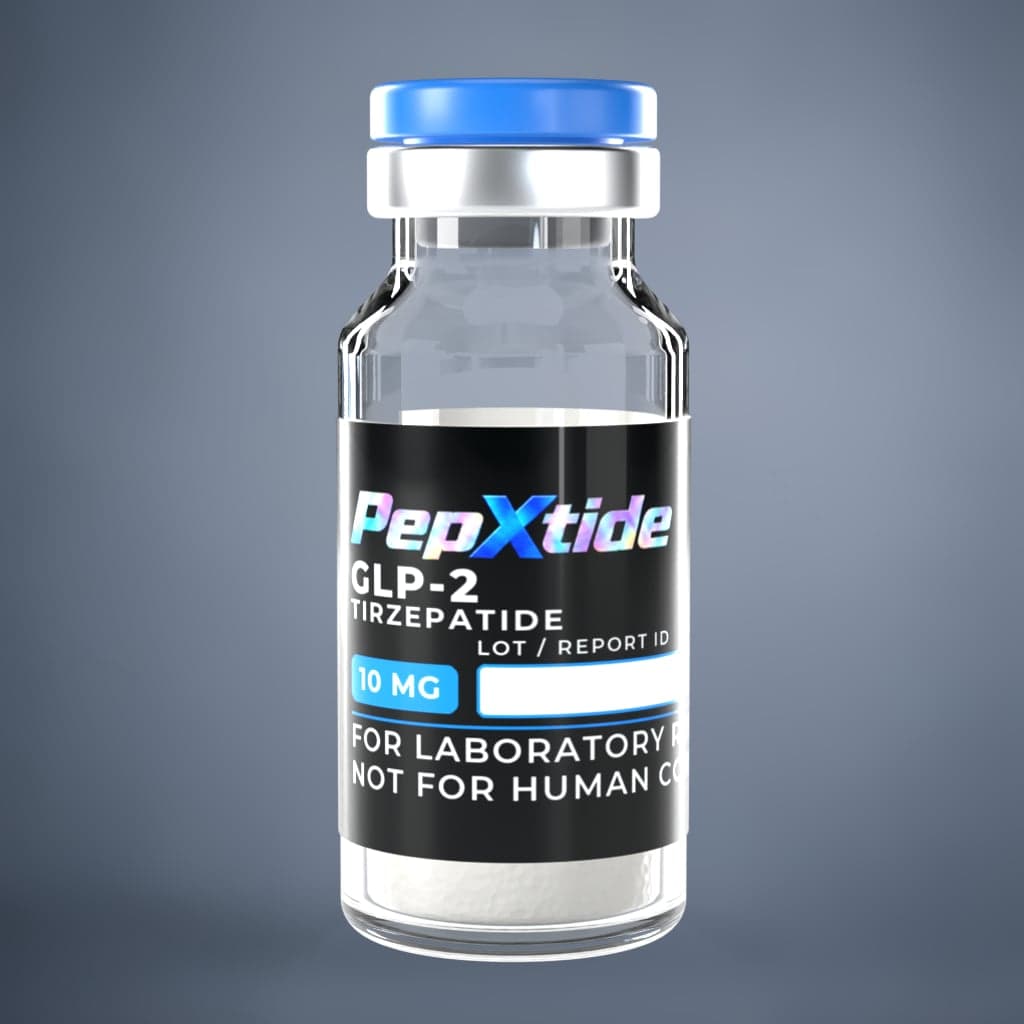
Metabolic Research
GLP-2 (Tirzepatide) 10mg
Lyophilized powder
Research notice
Supplied for in-vitro laboratory research only. Not for human or veterinary consumption, and not evaluated by the FDA. No statement on this page describes an application, benefit, dose, route or outcome. Descriptions are structural and mechanistic, and reference data such as CAS numbers and molecular formulas is published information about the compound itself, provided for identification. The certificate shown above is the testing laboratory's report V260205-13-002 for this strength; its results are for that report only and are not averaged across the product line.